
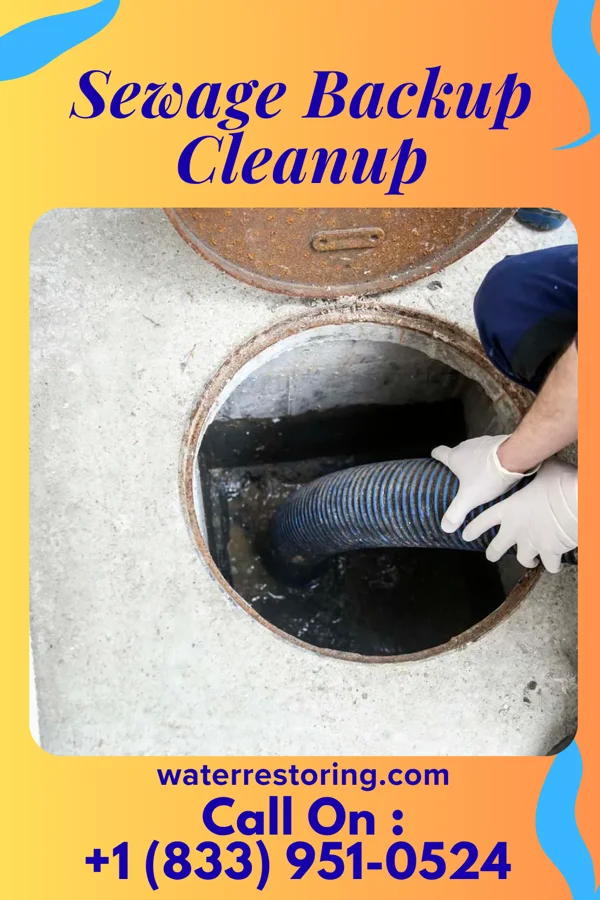
Why Las Vegas Sewage Backups Are Hazardous
Most water damage emergencies in Las Vegas start with Grease and debris buildup combined with root intrusion into aging clay and cast-iron sewer laterals, exacerbated by infrequent but intense desert flash flood events that overwhelm the municipal storm and sewer system. From the second water touches the property, every minute changes what gets saved and what gets ripped out.
Las Vegas sits in the Mojave Desert, where the ground is predominantly caliche hardpan — a compacted, calcium-rich soil layer that absorbs almost no water — meaning that even a modest monsoon rainstorm can generate rapid surface runoff that quickly overwhelms both storm drains and sewer infrastructure. The city's extreme summer heat, which regularly exceeds 110°F, accelerates grease solidification in sewer pipes and causes expansion and contraction stress on older clay and cast-iron laterals, making blockages and joint failures more likely year-round. Homeowners in older central Las Vegas neighborhoods and North Las Vegas, where sewer infrastructure dates to the 1960s and 1970s, face the highest combined risk of blockage-driven backups during the July–September monsoon window.
Most sewage backup cleanup calls in Las Vegas come from Grease and debris buildup combined with root intrusion into aging clay and cast-iron sewer laterals, exacerbated by infrequent but intense desert flash flood events that overwhelm the municipal storm and sewer system. Local mold risk: Within 24–48 hours in Las Vegas's summer conditions, where indoor humidity combined with extreme outdoor heat creates accelerated microbial growth in sewage-contacted materials